
Europe's IRIS2 and the Politics of Not Depending on Starlink
The EU and SpaceRISE signed the IRIS2 implementation agreement on 7 August 2026, expanding the constellation to 348 satellites. What it does and does not …
Read more →Space launch technology, orbital infrastructure, and the commercial space economy
The EU and SpaceRISE signed the IRIS2 implementation agreement on 7 August 2026, expanding the constellation to 348 satellites. What it does and does not …
Read more →
GeoXO's first satellite is now planned for 2032 and launch services will be bought through a Mission Integration Prime due in early 2028. What that means for …
Read more →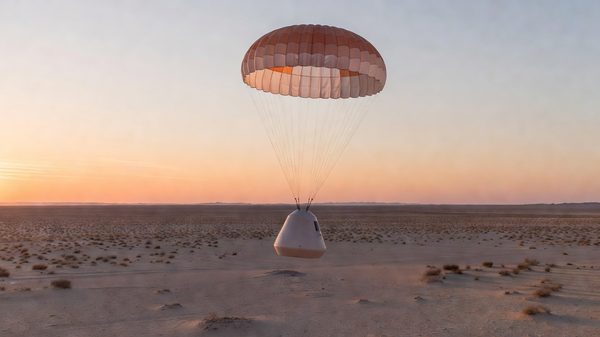
Starliner-1 is now an uncrewed cargo flight targeted for December 2026 or January 2027. What remains open on thrusters, valves and in-flight proof before crews …
Read more →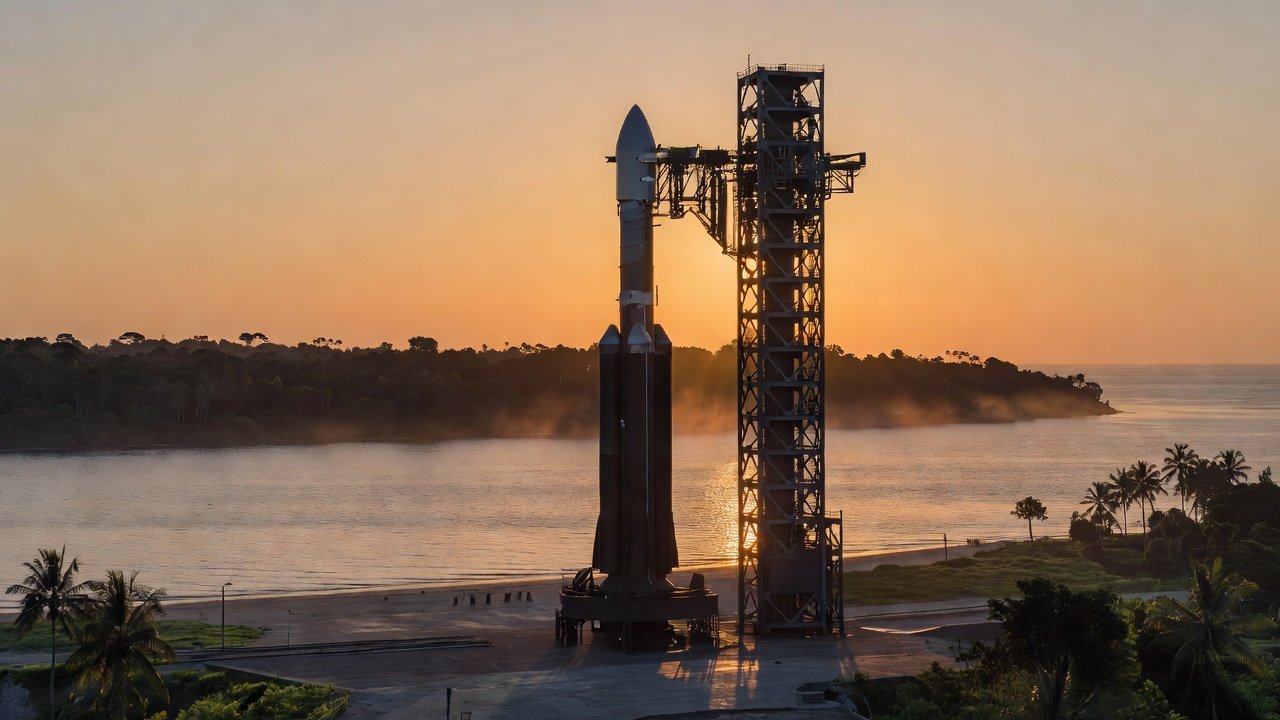
Ariane 6 has flown four times in 2026 against a target of six to eight. Measured against Falcon 9 and a grounded Vulcan, here is what the cadence gap looks like …
Read more →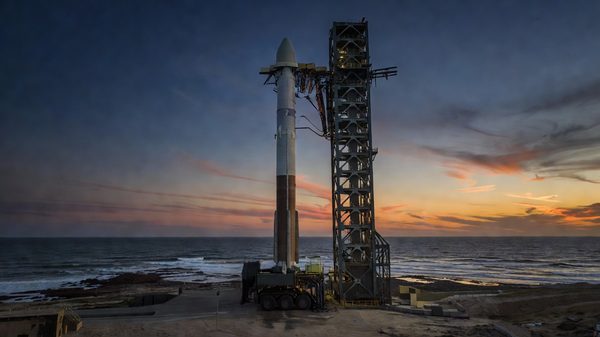
ULA forecast 20-25 launches for 2026, then revised to 18-22. With the FCC deadline moved to July 2027 and Kuiper now Amazon Leo, the arithmetic has changed.
Read more →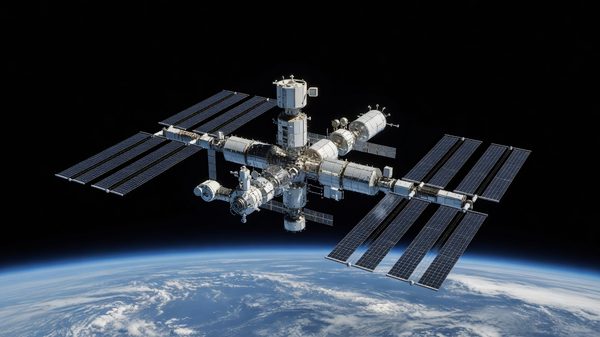
NASA's March 2026 Ignition strategy replaces free-flying commercial stations with a government-owned core module. What it changes for Axiom, Vast, Starlab and …
Read more →Ariane 6 has flown four times in 2026 against a target of six to eight. Measured against Falcon 9 and a grounded Vulcan, here is what the cadence gap looks like …
Read more →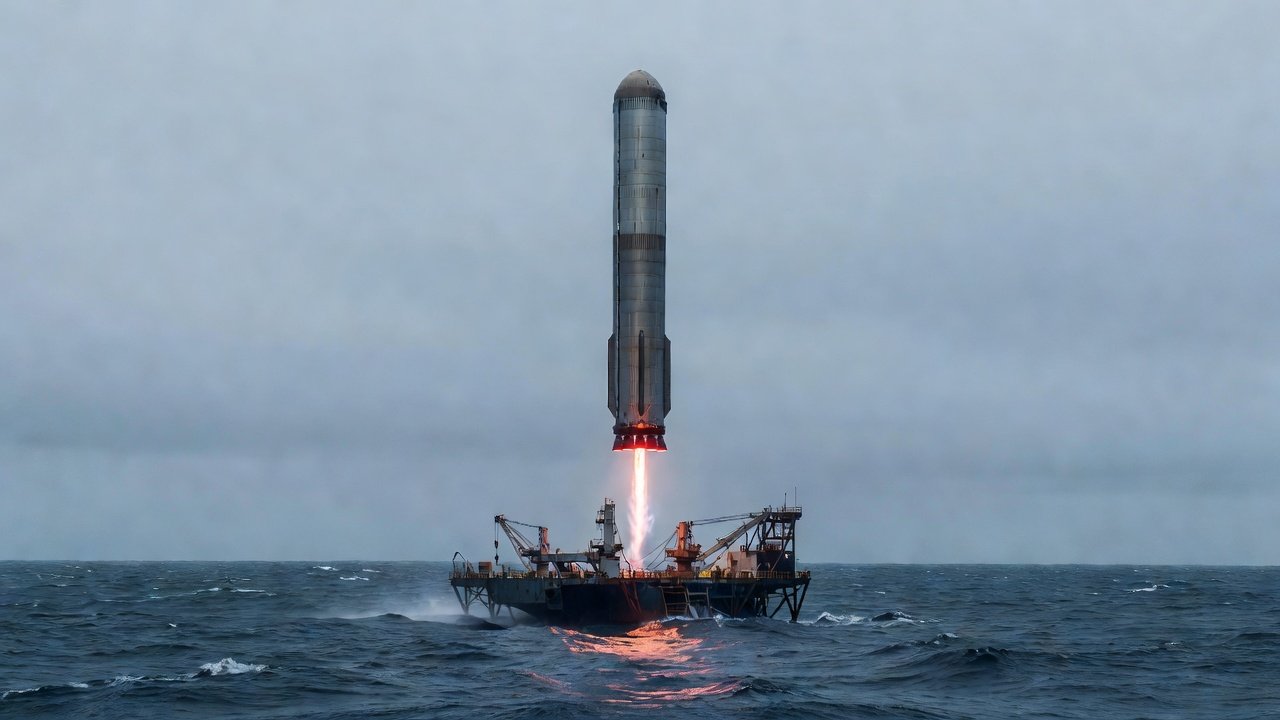
On 10 July 2026 a Long March 10B first stage was caught in a net aboard a ship in the South China Sea. What was demonstrated, and what was not.
Read more →
H1 2026 launch data shows Falcon 9 on pace for a record year while Vulcan, New Glenn, Starship V3, and Neutron each hit a cadence-disrupting setback.
Read more →The EU and SpaceRISE signed the IRIS2 implementation agreement on 7 August 2026, expanding the constellation to 348 satellites. What it does and does not …
Read more →NASA's March 2026 Ignition strategy replaces free-flying commercial stations with a government-owned core module. What it changes for Axiom, Vast, Starlab and …
Read more →
The 77th International Astronautical Congress convenes in Antalya in October 2026. A preview of the debates likely to dominate its sessions and corridors.
Read more →Starliner-1 is now an uncrewed cargo flight targeted for December 2026 or January 2027. What remains open on thrusters, valves and in-flight proof before crews …
Read more →ULA forecast 20-25 launches for 2026, then revised to 18-22. With the FCC deadline moved to July 2027 and Kuiper now Amazon Leo, the arithmetic has changed.
Read more →
Rocket Lab is developing Neutron, a medium-lift reusable launch vehicle. An assessment of the vehicle's design choices, timeline, and competitive positioning …
Read more →GeoXO's first satellite is now planned for 2032 and launch services will be bought through a Mission Integration Prime due in early 2028. What that means for …
Read more →
The 40th Small Satellite Conference runs 23-26 August at the Salt Palace. The venue change happened in 2025 — what the second year in Salt Lake City actually …
Read more →
SpaceX's Starlink and Amazon's Project Kuiper are competing for the global satellite broadband market. A look at where each stands, their technical approaches, …
Read more →
Artemis III became an Earth-orbit HLS test flight in February 2026, pushing the first crewed Moon landing to 2028. What the slip means for the lunar economy.
Read more →
Artemis II returned humans to lunar distance for the first time since 1972. What the mission proved, what it didn't, and what's left before Artemis III.
Read more →
NASA's Lunar Gateway will require regular resupply beyond what government systems alone can provide. A look at the commercial cargo strategy and what it means …
Read more →
SpaceX's Starship propellant transfer demo is the hardest prerequisite for a crewed lunar landing. What it must prove, and why it keeps slipping.
Read more →
Thermal protection systems for reusable spacecraft have evolved significantly from the Space Shuttle era. A look at modern ablative, ceramic, and metallic …
Read more →
SpaceX's Raptor and Blue Origin's BE-4 both use liquid methane. An analysis of why methane has become the preferred propellant for next-generation reusable …
Read more →